Breeding Livestock
Breeding Livestock Export from the USA to Asia-Pacific
Cattle, swine, sheep, goats and poultry genetics moved as single consignments or as a recurring program.
American breeding genetics are a serious export product, and Asia-Pacific is where the demand is growing. Indonesia alone took roughly $41.4 million of U.S. live animals in 2025, most of it poultry and day-old chicks feeding a growing domestic protein industry, with open protocols for breeding swine and horses and stated interest in breeding cattle.
Breeding-stock movements are different from moving one valuable animal. They are programmatic: the same lane, the same species, on a schedule, often several times a year. The shipper who wins that work is the one who can run it reliably rather than the one who can pull off a one-off.
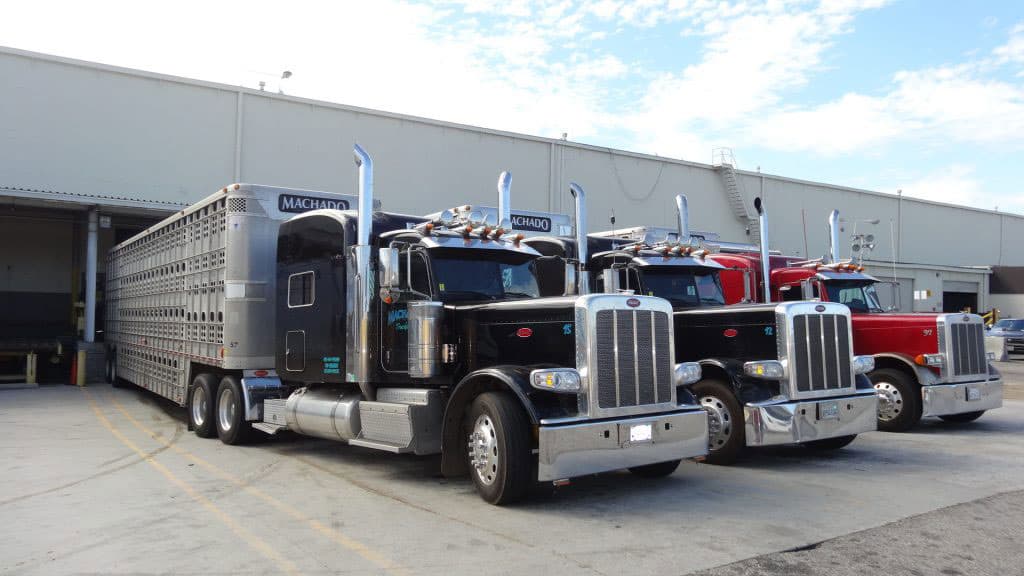
Flying Horse Services has moved cattle, sheep, goats and mixed livestock consignments for over forty years, using USDA-approved isolation facilities across the country and purpose-built crating suited to the species and the sector. Brahman cattle and bulls, and Boer and Nubian goats, are among our most regular consignments — not occasional exceptions.
What we handle
- Cattle and bulls — Brahman and other tropical breeds are a regular lane for us, alongside Angus, Hereford and other beef and dairy genetics
- Breeding swine
- Goats — Boer, Nubian and other meat and dairy breeds
- Sheep, including breeding rams and ewes
- Poultry and day-old chicks
- Camelids — alpacas and llamas
- Mixed-species consignments
How we do it
Equipment, people and permits.
The parts of an animal export that go wrong are almost never the flight. They are the crate, the paperwork and whoever is holding the lead rope at 3am.
Purpose-built crating
Livestock and poultry fly in crates we build for the species and the sector length, satisfying IATA Live Animals Regulations and the practical handling realities of the animal — not whatever happens to be available.
Pre-export isolation
Animals are held at USDA-approved isolation facilities we work with, chosen to suit the species and the departure airport so the ground legs stay short.
Veterinary program management
A USDA-accredited veterinarian runs the destination test panel, monitors the animals through isolation and prepares the International Health Certificate for USDA APHIS endorsement. We manage the schedule so endorsement lands correctly against the shipping date.
Scheduled repeat programs
For genetics producers moving recurring volume, we build a standing schedule rather than quoting each consignment cold. It is more predictable for you and materially cheaper per head.
Destinations
Where we move breeding livestock
Each destination has its own protocol, timeline and market. These are the lanes where demand for this category is strongest.
FAQ
Breeding Livestock: common questions
Do you export Brahman cattle and bulls specifically?
Yes — Brahman cattle and bulls are one of our most regular shipments, not a special case. We've run multiple Brahman consignments to the Philippines and Thailand, from single bulls to small groups for herd establishment. Their heat tolerance makes them a common choice for buyers in the region, and we know the protocol and crating requirements for them specifically.
How much does it cost to export breeding cattle?
Around $5,000 a head on a group consignment — that figure has been consistent across the shipments we've run. It covers air freight, pre-export isolation, blood tests, USDA inspection and fees. Small numbers cost proportionally more per head than a larger group, and every quote is written after we've confirmed the destination protocol for your species.
Can you export cattle from the USA to Asia?
Yes, subject to the destination country's protocol and the importer's permit. Eligibility varies by country and by disease status, and for some destinations the origin premises and isolation facility must be registered and approved. We start with a protocol check before quoting.
Do you handle poultry and day-old chicks?
Yes. Poultry is the largest live-animal category by value into several Southeast Asian markets — roughly $28.2 million into Thailand and the majority of Indonesia's $41.4 million in 2025. These are time-critical consignments where routing and transit handling determine viability on arrival.
Can different species travel in one consignment?
Often, and it is usually cheaper than separate shipments. The constraint is that each species must satisfy its own protocol and its own crating requirement on the same flight. We work out whether a combined consignment is viable during the feasibility review.
How far in advance should a breeding-stock shipment be booked?
Seventy-five to 130 days for most destinations, longer for China and for any destination requiring registered and approved origin premises. If you are running a recurring program, we build a standing schedule and the lead time stops being a per-shipment problem.
What does the pre-export isolation period involve?
Animals are held at a USDA-approved facility for the period the destination protocol requires, during which a USDA-accredited veterinarian completes the test panel and monitors them. We handle feeding, care and daily management throughout.
Also
Other things we move
Horses
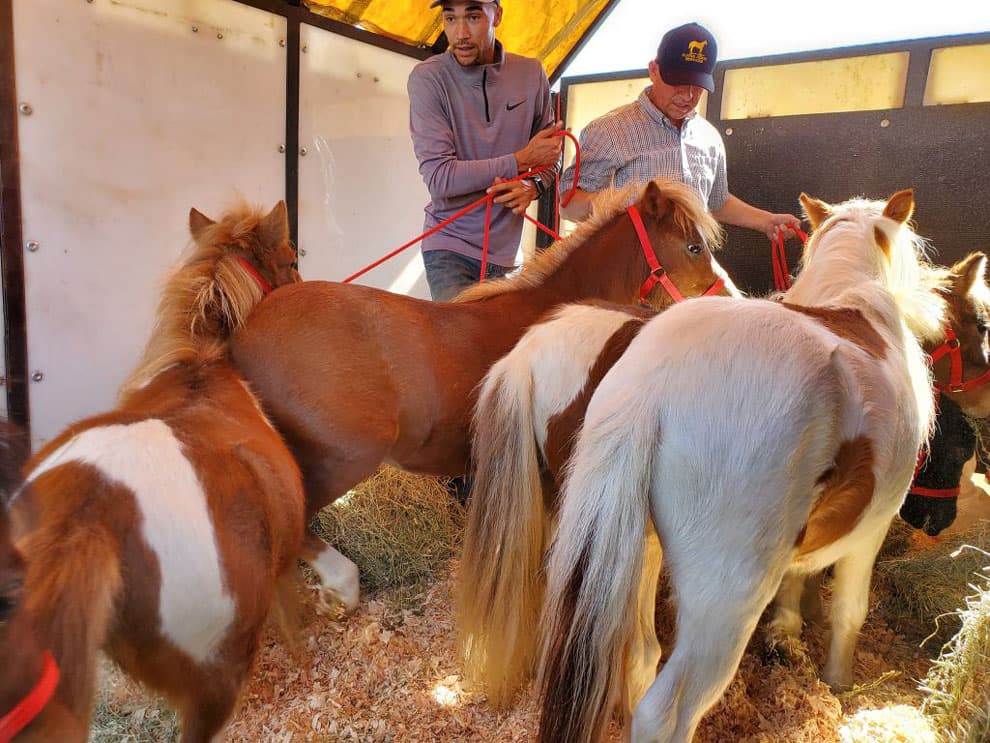
Racing, breeding and competition horses moved door to door — barn in the United States to barn in Asia-Pacific.
Exotic & Zoo Animals
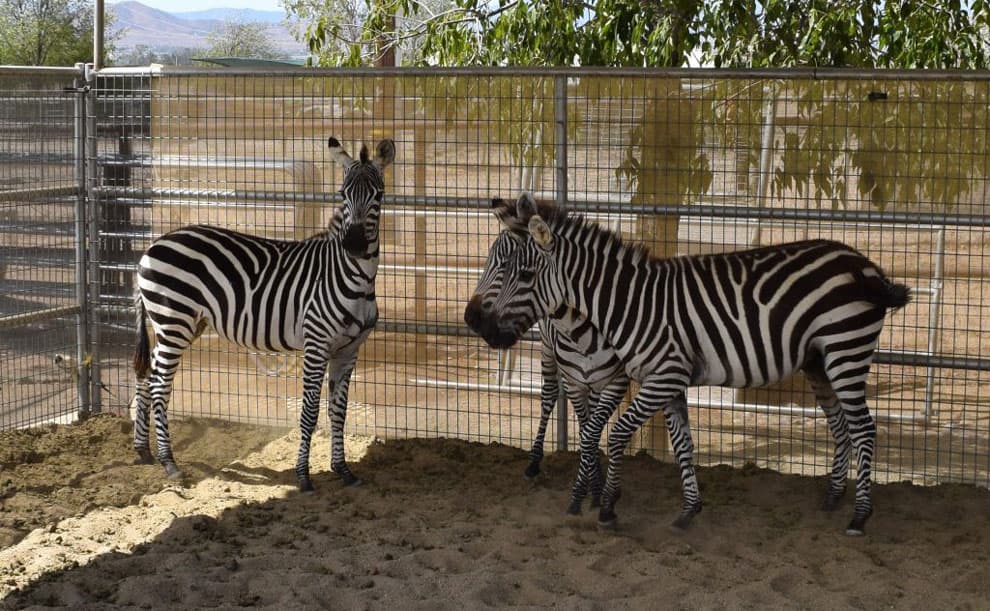
Zoo collections, wildlife parks and private exotic consignments — including CITES-listed species — moved with the permitting handled.
Ready to move breeding livestock?
Tell us the species, the number of animals, the origin, the destination and your target date. We come back with a written feasibility review at no charge.