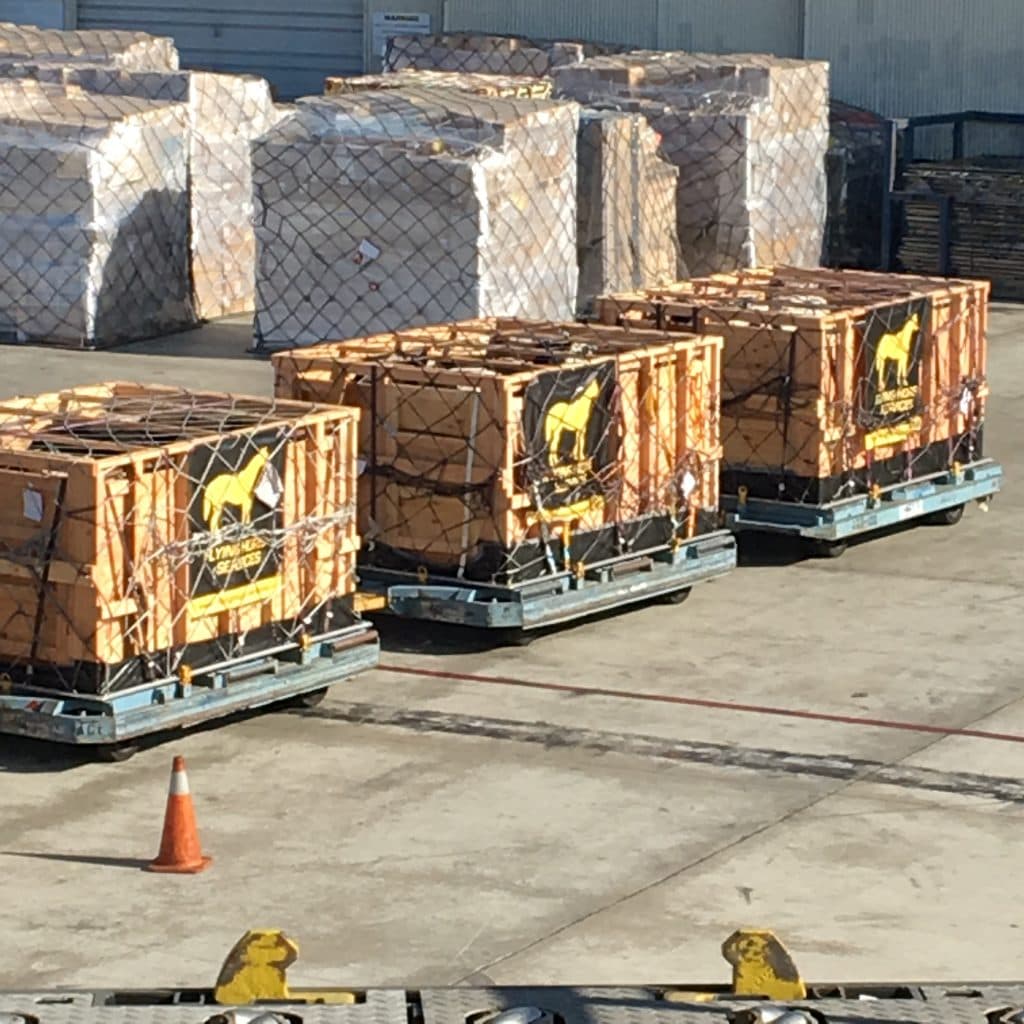
USA → Philippines
Export Animals from the USA to the Philippines
Our most active lane. Horses, breeding cattle, livestock and exotics — often on the same consignment.
- Arrives
- MNL
- Departs
- LAX / DFW
- Flight time
- ~14–15 hours from the West Coast
- Plan ahead
- 60–120 days; exotics longer
Manila Ninoy Aquino
Or whichever US gateway suits the animals
The Philippines is the lane we run most often, across the widest range of species. Horses, breeding cattle, small ruminants and exotic animals all move here, and a mixed consignment is one shipment with us rather than three conversations with three specialists.
Everything starts with the importer's permit from the Bureau of Animal Industry. It determines the test panel and the isolation period, so it is the first thing we check — before anyone commits money or picks a date.
Regulatory
What a Philippines export requires
These are the constraints that shape the timeline. The binding requirements are whatever the Philippines has in force on your day of export — we confirm the current position as the first step of every feasibility review.
Import permit first
Philippine imports are gated on a permit issued to the importer before the animals move. The permit sets the test panel and the isolation period, so nothing else can be scheduled until it exists.
Pre-export isolation and testing
Animals are held at a USDA-approved facility while a USDA-accredited veterinarian completes the required tests and prepares the International Health Certificate for USDA endorsement.
Species-specific crating
Horses fly in air stables; livestock and exotics in crates we build for the animal and the sector. We don't subcontract the part of the job most likely to go wrong.
Exotic and zoo species
Exotics add CITES documentation where the species is listed, U.S. Fish and Wildlife clearance and a receiving institution permitted to accept the animals. Start these well ahead of the target date.
Official source
USDA APHIS publishes the International Regulations for Animal Exports (IRegs) — the U.S. government’s understanding of the Philippines' current import requirements.
By species
What we handle into the Philippines
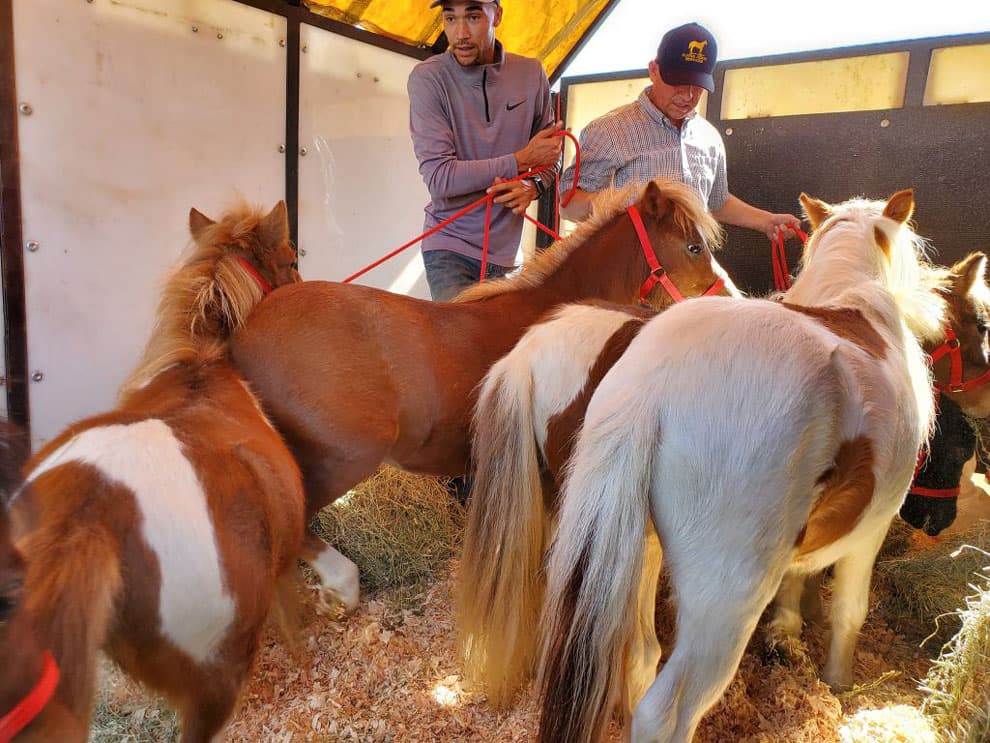
Horses
Racing, breeding and competition horses moved door to door — barn in the United States to barn in Asia-Pacific.
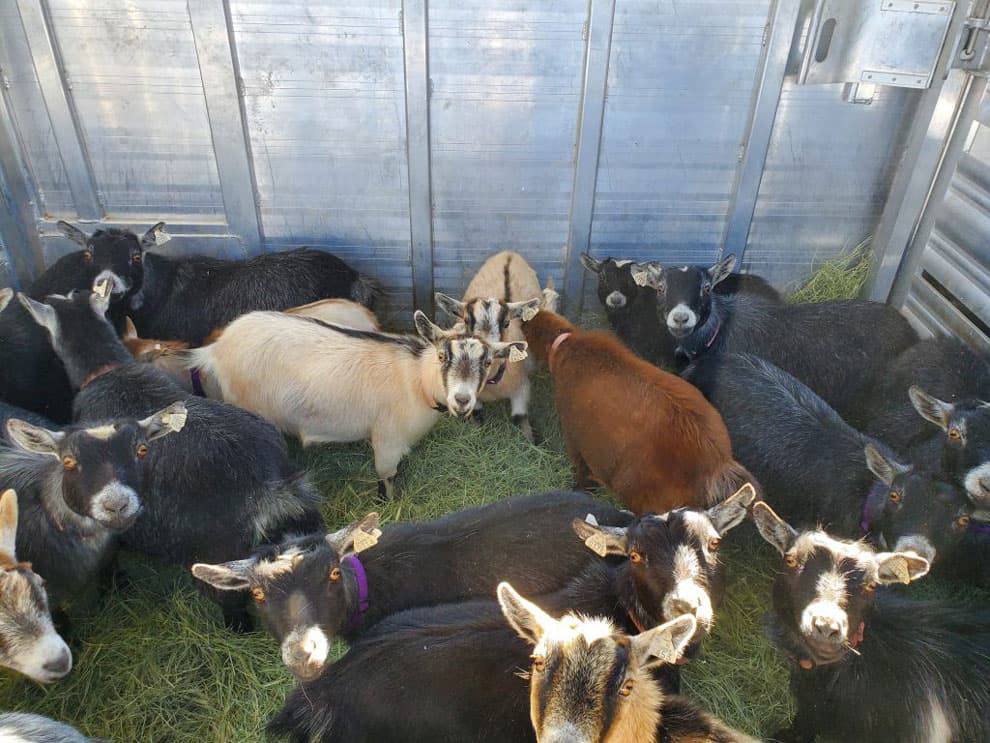
Breeding Livestock
Cattle, swine, sheep, goats and poultry genetics moved as single consignments or as a recurring program.
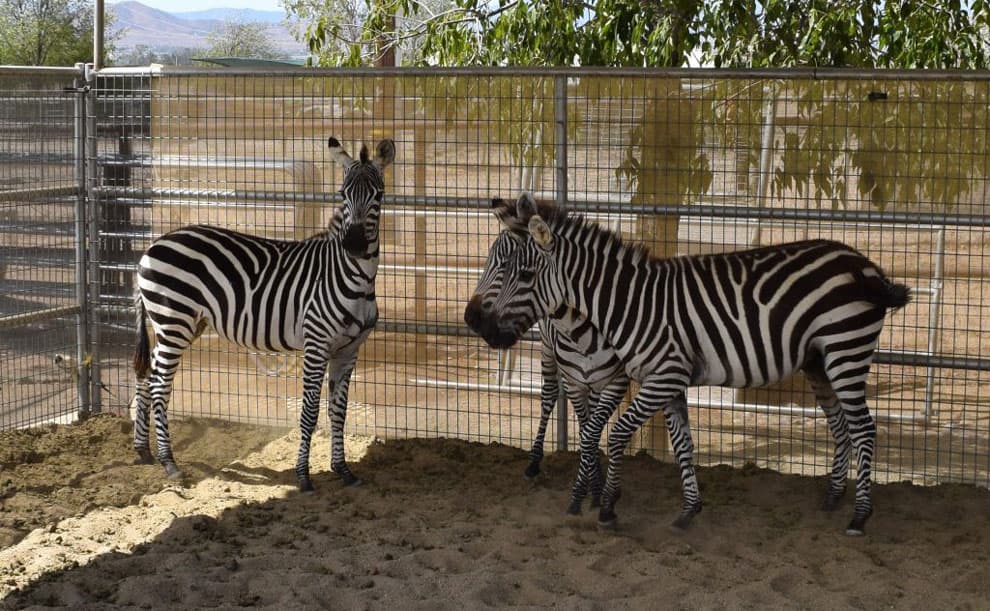
Exotic & Zoo Animals
Zoo collections, wildlife parks and private exotic consignments — including CITES-listed species — moved with the permitting handled.
FAQ
Exporting to the Philippines: common questions
How much does it cost to export animals to the Philippines?
A single horse typically runs $13,000 to $25,000; breeding cattle around $5,000 a head on a group consignment. These are real ranges from our own Philippines shipments, not estimates — every figure covers air freight, pre-export isolation, testing, USDA fees and a groom on the flight; ground transport and farm board are billed separately.
Can you export cattle from the USA to the Philippines?
Yes — it is one of our most regular shipments. Breeding cattle move under a protocol tied to the importer's permit from the Bureau of Animal Industry, which sets the test panel and isolation requirements. We handle pickup, pre-export isolation, the vet work and certification, crating, the flight and the destination handoff.
Do you handle exotic and zoo animals into the Philippines?
Yes — exotics are core work for us, not a sideline. Beyond the usual testing and certification they need CITES documentation where the species is listed, U.S. Fish and Wildlife clearance and a receiving institution permitted to accept them. Allow considerably more lead time than a livestock move.
Can horses, livestock and exotics travel in one consignment?
Often, and it is usually cheaper than moving them separately. Each species still has to satisfy its own protocol and crating requirement on the same flight. We work out whether a combined consignment is viable during the feasibility review.
How long is the flight to Manila?
Roughly 14 to 15 hours. A groom travels with the animals for the whole sector, keeping them hydrated and with forage available, and handles the offload in Manila.
How far ahead should I start?
Sixty to 120 days for horses and livestock. Exotic and mixed-species consignments run longer because CITES and wildlife permitting sit on top of the veterinary timeline. If you have a fixed arrival date, tell us early — it changes the order we do things in.
Other lanes
More Asia-Pacific destinations
Thailand
Export Horses & Livestock from the USA to Thailand
Japan
Export Horses from the USA to Japan
Indonesia
Export Breeding Livestock from the USA to Indonesia
Moving animals to the Philippines?
Send us the species, the number of animals, the origin and your target date. We confirm whether the protocol is currently open and come back with a written feasibility review at no charge.